Editorial reconstruction · not a period clipping
Manchester Historical Context File
MH–22–014 · Special report
Nine Months at the Mill Gates
A Manchester labor crisis emptied the mills and reshaped the city around The Black Veil.
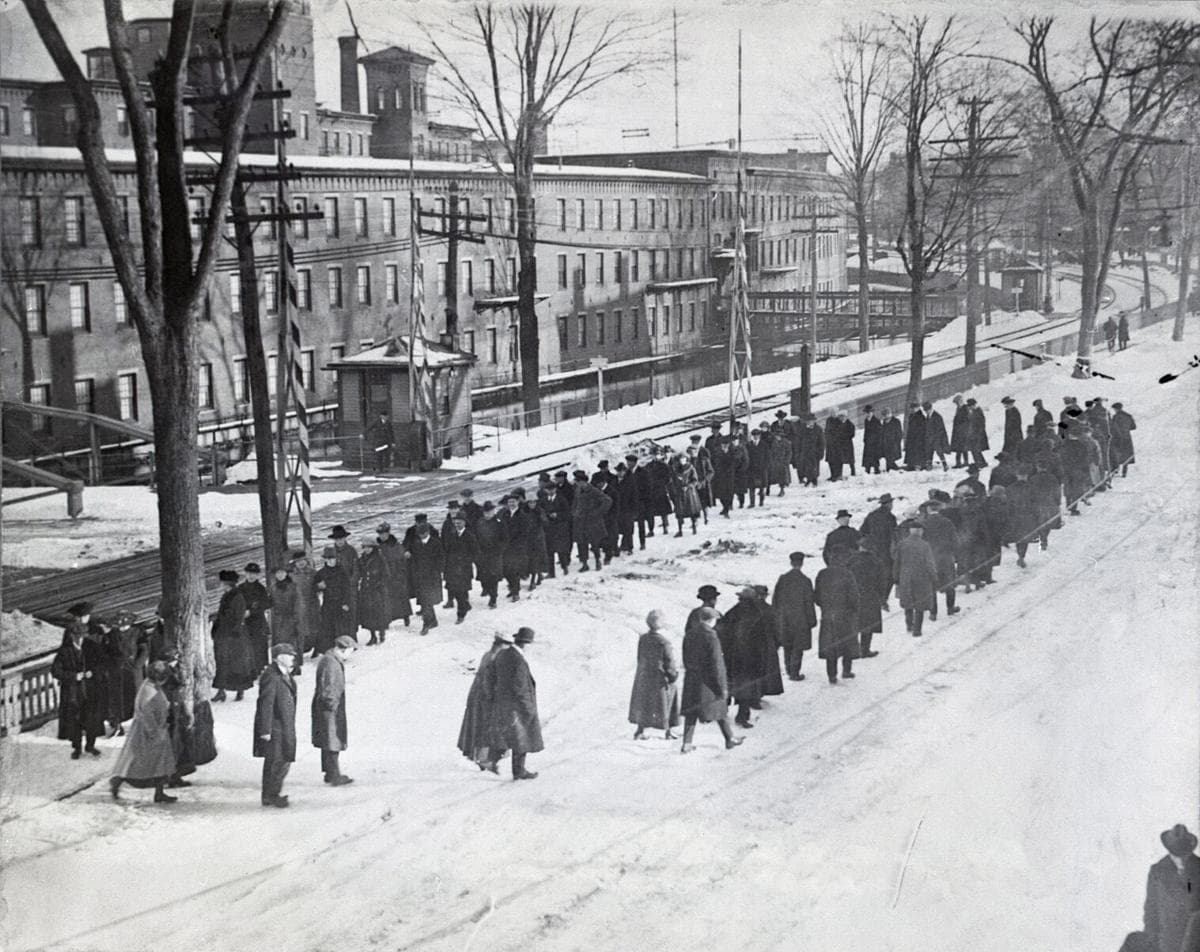
MANCHESTER, N.H.—On February 13, 1922, the Amoskeag Manufacturing Company posted a new wage schedule cutting pay by twenty percent — on top of a twenty-two-and-a-half percent reduction taken the year before — and lengthening the work week from forty-eight to fifty-four hours. Fifteen thousand operatives walked out of the Manchester mills within the day, and workers in Allenstown, Suncook, Nashua, Dover, Somersworth, and Newmarket followed within the week.
The strike held for nine months. Amoskeag's directors would not restore the shorter week, and by November the company agreed only to leave wages where they had stood before the February cut; the fifty-four-hour week stayed in place. Production and payrolls alike lost millions before it ended, and a great many operatives who had walked out never came back to the looms — the first sign of the slow exodus that would empty the mill yard within a generation.
Manchester's private clubs kept their doors open through the walkout. Mill agents and superintendents were seen dining at several of them through the spring and summer, often within a few blocks of the picket lines, and at least one account has union men at the same tables in the later months, working out settlement terms well before anything was announced publicly. Whose rooms hosted those conversations, and on what nights, is not a thing the mill's own ledgers ever wrote down.
Continued on page 6